Face recognition in the real world
Understanding why some people are unusually good with faces, and how recognition ability can be measured fairly — so the right people can be identified and deployed in high-stakes roles.
IDeA Lab · Identity, Decisions & AI
The IDeA Lab at UNSW Sydney's School of Psychology studies face recognition, memory, and identity decisions in the places where they matter most: policing, digital identity, evidence, and human–AI interaction.
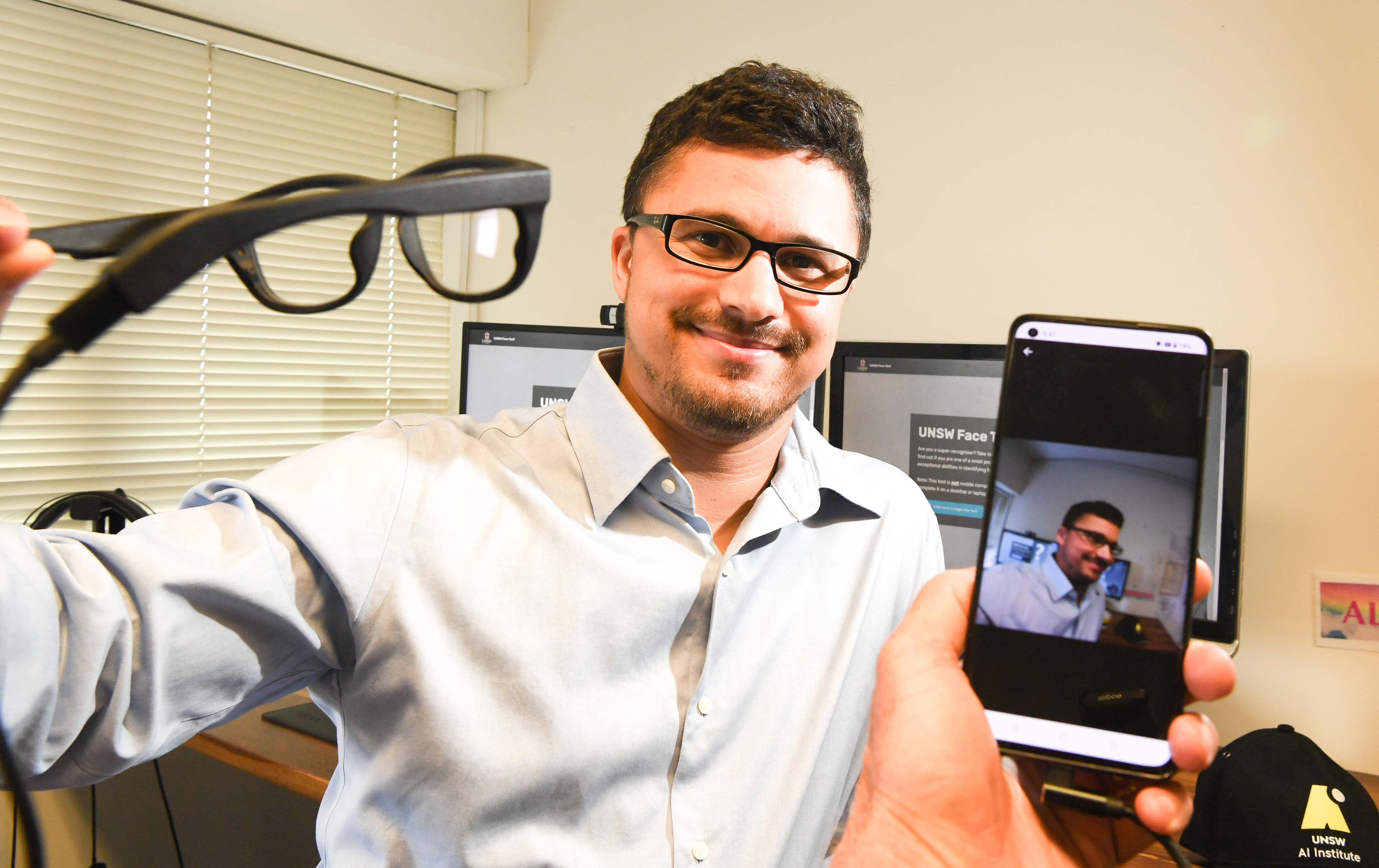
Featured insight
— Dr James Dunn
Start here
Research
How people make high-stakes judgements about faces, memory, and identity.
Read the research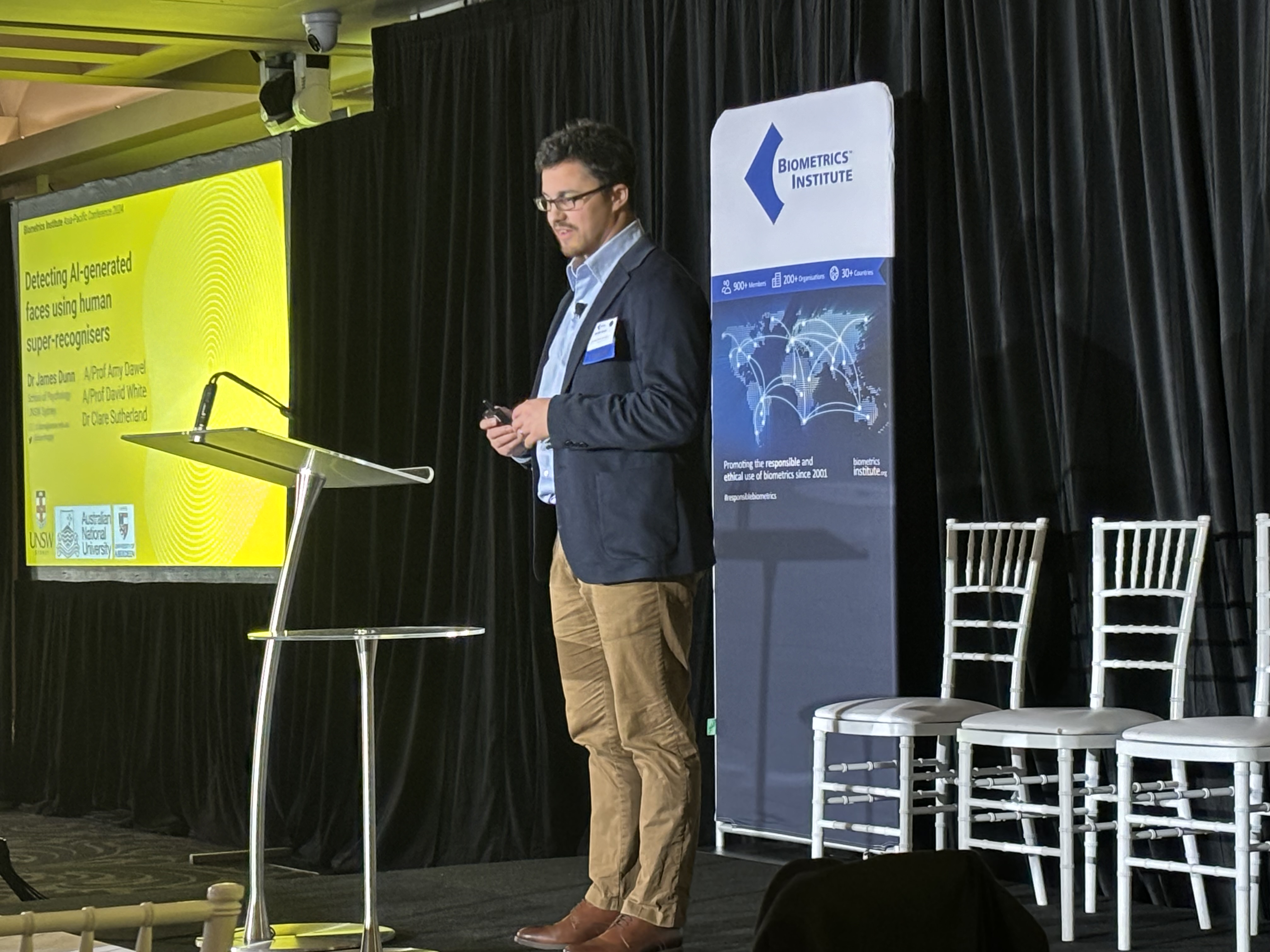
Media
Plain-language insights on face recognition, AI-generated faces, and evidence.
Visit media page
Tools
Try the UNSW Face Test and explore how people detect AI-generated faces.
Open toolsWhat we do
We study how people perceive, recognise, and remember identity information. Our work connects cognitive science with practical problems in policing, security, legal evidence, and digital systems.
The lab uses behavioural experiments, eye-tracking, computational approaches, and real-world tasks to understand when people are accurate, when they are overconfident, and how human decision-making changes when AI enters the process.
For example, we study how passport officers compare faces, how police remember critical incidents and how people identify AI-generated faces online.
Learn more about our research themesResearch themes
Understanding why some people are unusually good with faces, and how recognition ability can be measured fairly — so the right people can be identified and deployed in high-stakes roles.
Studying how stress, uncertainty, and context shape what people remember and how confidently they report it — so evidence can be interpreted more accurately and errors reduced.
Testing whether people can detect synthetic identities, what cues they use, and how AI changes trust online — so we can understand and mitigate risks from increasingly realistic fake identities.
Evaluating how expert and non-expert decision-makers compare forensic evidence, interpret information, and avoid error — so identity decisions are more reliable in legal and investigative settings.
Media highlights
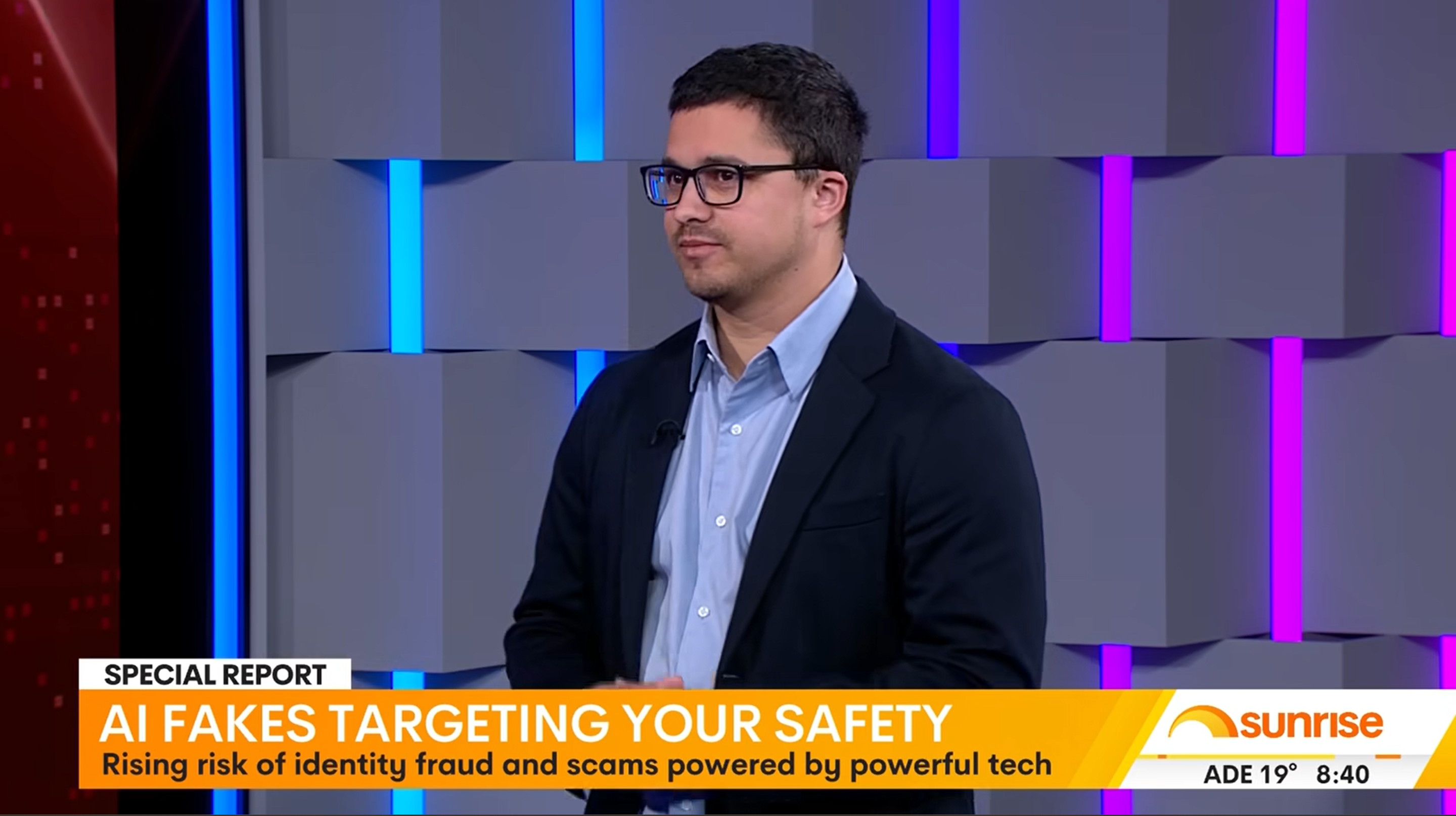
Weekend Sunrise, Channel 7
Live TV commentary on AI-generated faces, deepfakes, and identity verification.
View coverage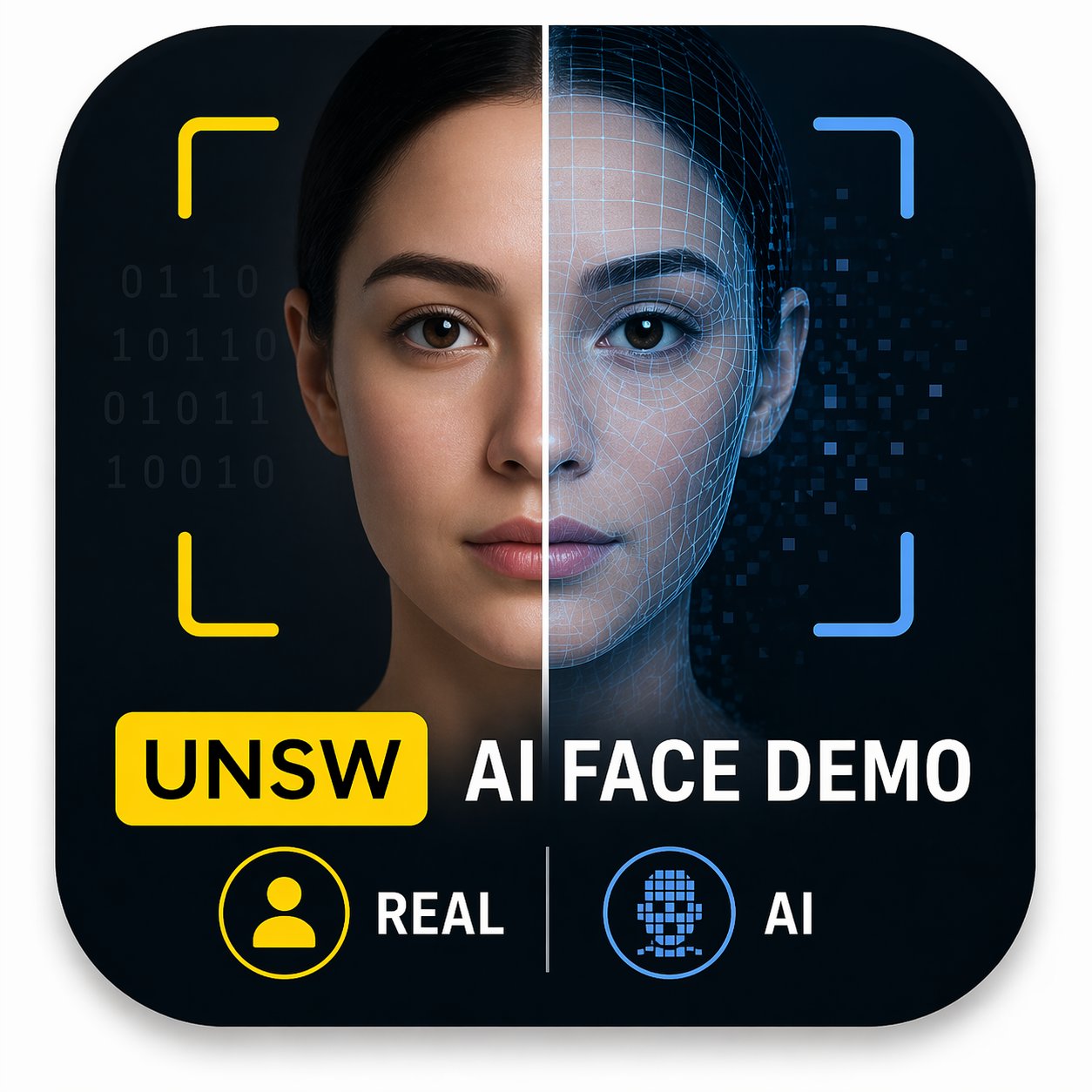
7News
Public-facing research on training people to detect AI-generated faces.
See media resources
Press enquiries
Contact the lab for clear comment on face recognition, super-recognisers, prosopagnosia, and AI faces.
Get in touchTools and demos
These tools help the public engage with the science while supporting research into identity decisions.
Collaborate
The lab welcomes conversations with researchers, students, practitioners, and media who want evidence-based answers to real-world identity problems.